
Complex installations demand more than routine inspections. When projects involve critical containment systems, specialist materials, layered construction sequences, or strict regulatory requirements, Construction Quality Assurance engineering and auditor support helps teams verify compliance, manage risk, and maintain clear documentation. A structured CQA approach reduces rework, prevents defects from being buried, and provides confidence to owners, contractors, and regulators through traceable evidence of quality.
Why complex installations need specialist CQA engineering
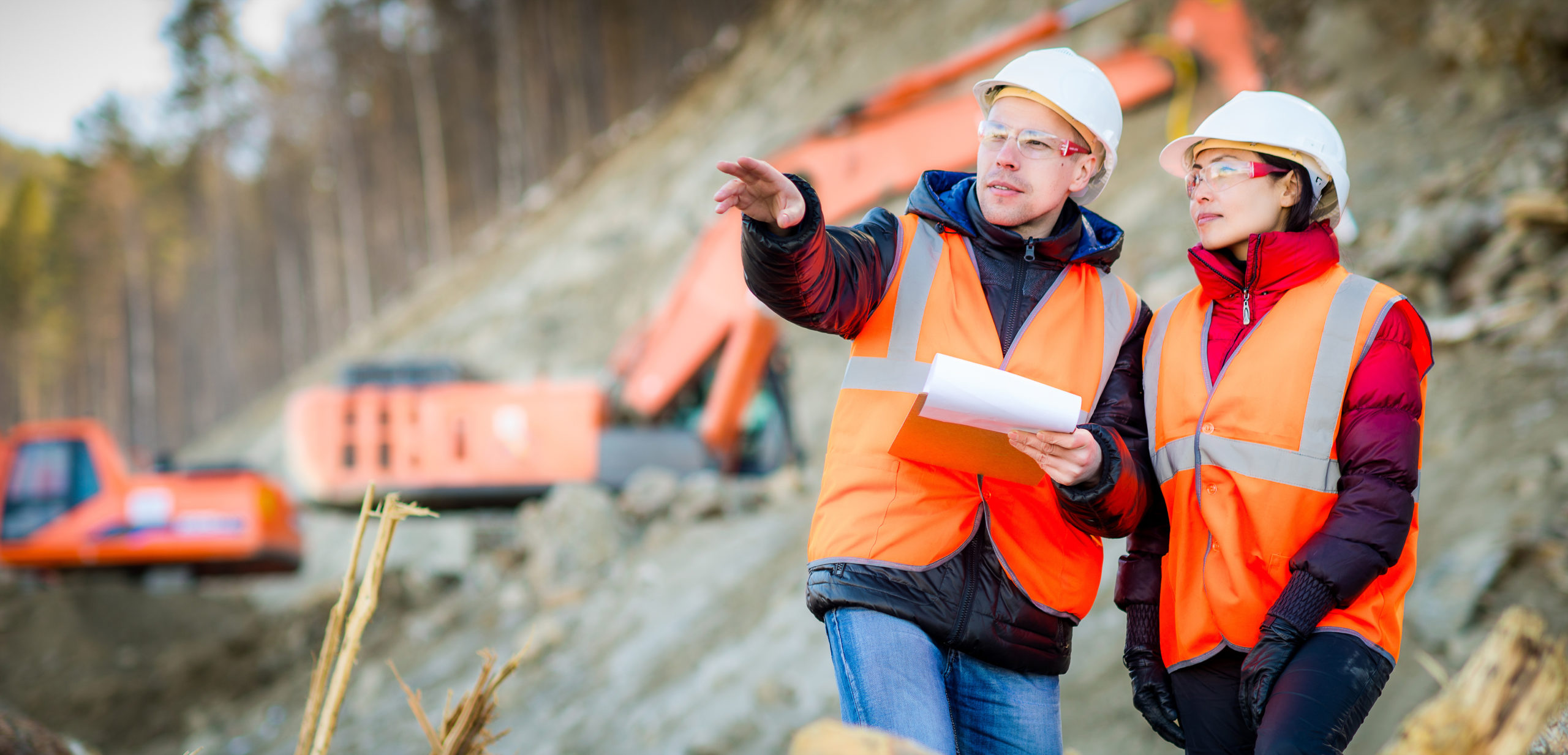
In the first paragraph after this heading, by engaging a CQA auditor you add independent oversight that strengthens decision making, confirms hold points, and ensures specifications are applied consistently across work fronts.
Complex installations often include interfaces where small errors create major consequences, such as geomembrane liners, composite barrier systems, penetrations, welds and seams, anchor trenches, drainage layers, and protective geotextiles. Quality risks increase when multiple subcontractors are involved or when weather and access constraints compress schedules. CQA engineering helps translate design intent into practical inspection and testing requirements, ensuring the construction sequence protects critical layers and that acceptance criteria are clearly understood before work begins.
Audit activities, verification methods, and documentation
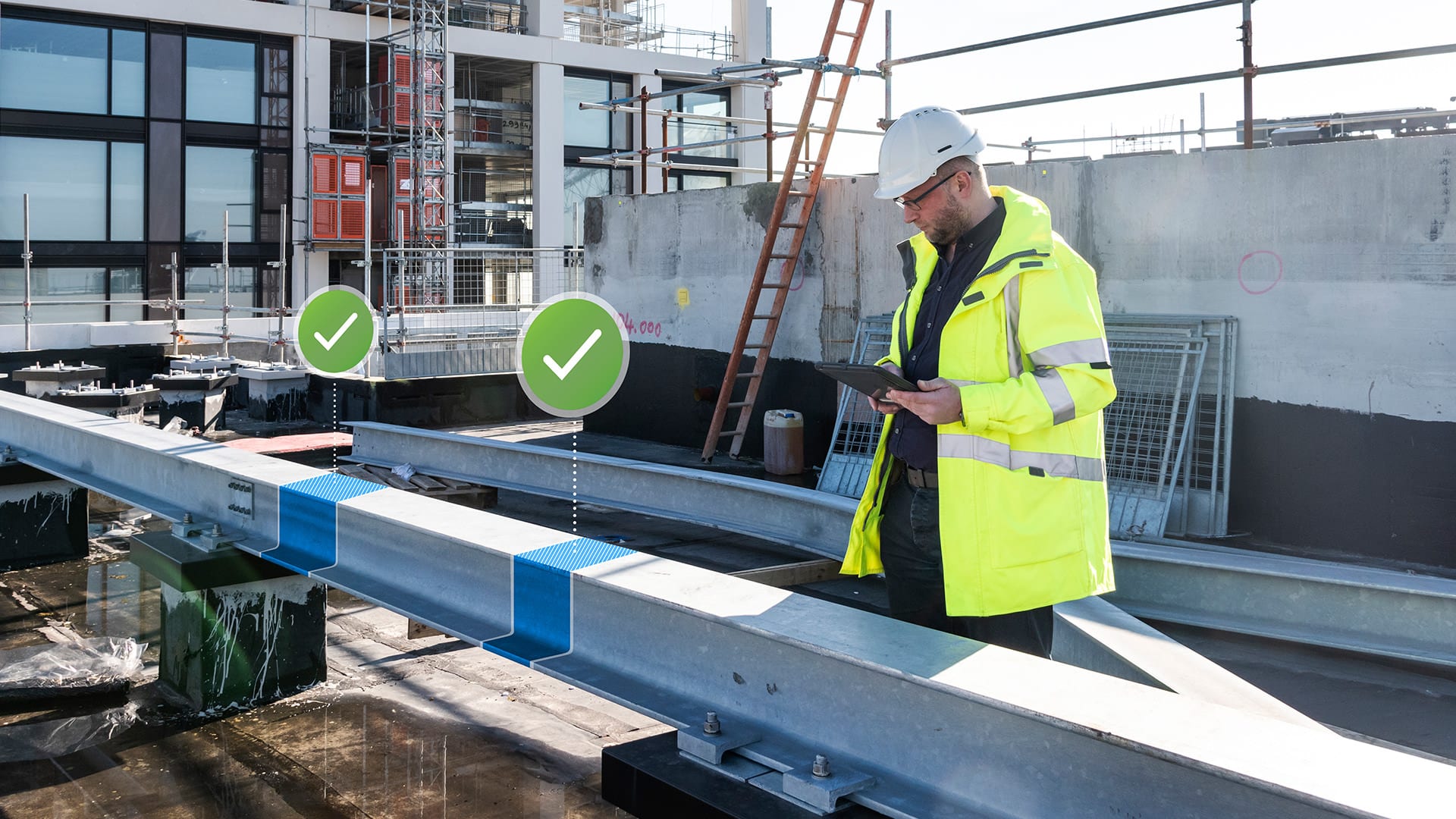
CQA auditor support typically covers review of method statements, verification of materials and certifications, observation of installation practices, and confirmation of test results. Auditors attend witness points and hold points to validate key stages before the next layer is placed. This can include seam welding observations, destructive and nondestructive testing, compaction verification, thickness checks, and survey validation depending on the system.
Documentation is a primary output. Daily reports, photo logs, conformance summaries, non conformance reports, and corrective action tracking create an auditable record. For critical containment projects, additional verification methods such as electrical leak detection can be integrated to locate defects that are not visually obvious. Strong records support regulatory reporting, commissioning sign off, and future operation and maintenance requirements.
How to get the most value from auditor support
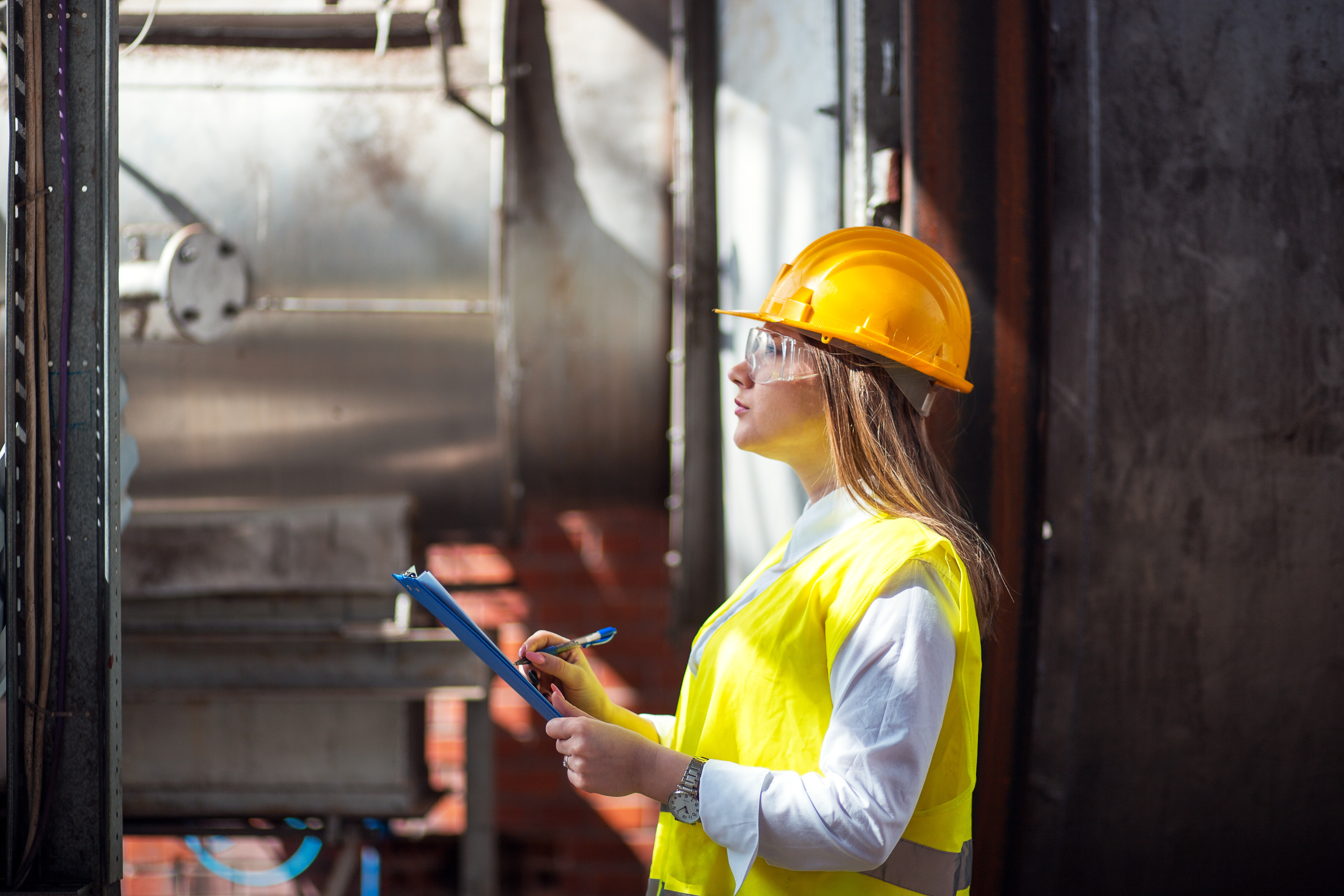
Auditor support is most effective when embedded early. Establish a clear inspection and test plan that defines responsibilities, hold points, acceptance criteria, and communication protocols. Align the QA schedule with construction sequencing so verification occurs at the right time without creating unnecessary delays. Provide auditors with current drawings, specifications, and approved procedures so findings are based on the correct requirements.
When issues are found, speed and clarity matter. A disciplined process for raising non conformances, agreeing corrective actions, and verifying closure prevents recurrence and protects the integrity of the installation. Regular coordination meetings between the contractor, engineer, and auditor help ensure lessons are applied across the project and that quality outcomes remain consistent as conditions change on site.
Conclusion
CQA engineering and auditor support strengthens complex installations by improving verification, managing interfaces, and creating traceable evidence of compliance. With clear planning, robust testing, and timely reporting, teams can reduce risk, avoid hidden defects, and deliver installations that perform as intended over the long term.