Contemporary art is undergoing a structural transformation. Traditional divisions between disciplines, painting, performance, digital media, education, and fashion, are steadily dissolving into a unified creative ecosystem.
In this evolving landscape, the role of the artist is no longer confined to a single medium or static identity, but instead defined by fluidity, interdisciplinarity, and direct audience engagement.
Expanding the Role of the Contemporary Artist
Modern artistic practice increasingly operates across multiple formats simultaneously. Artists today are no longer limited to the studio or the canvas; instead, they merge live performance, visual creation, conceptual thinking, and interactive participation into cohesive experiential frameworks.
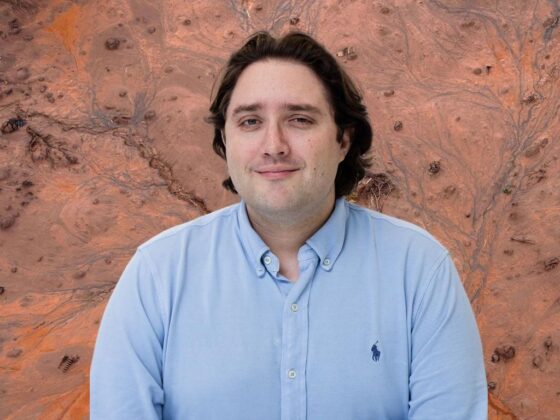
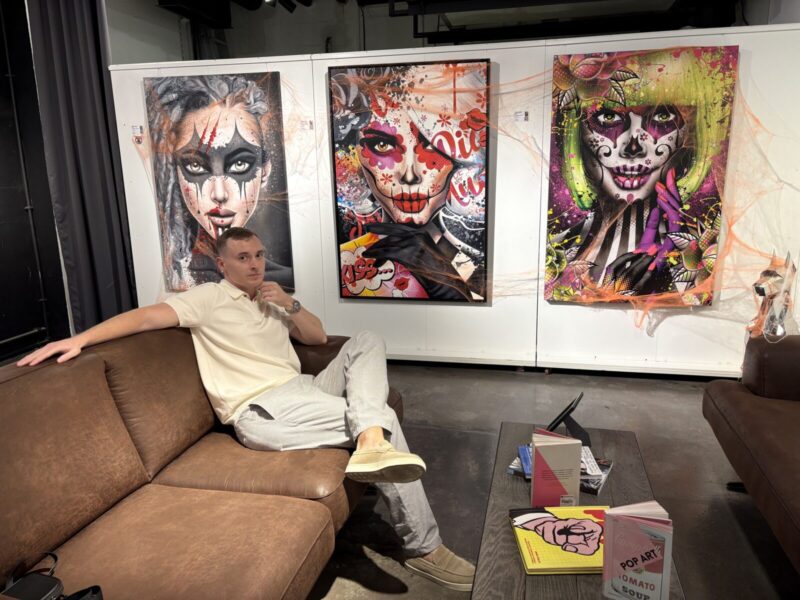
Art is understood less as a finished object and more as a process shaped by time, presence, and emotional exchange. Within this context, the practice of Stanislav Areshchenko represents a clear example of this expanded artistic model.
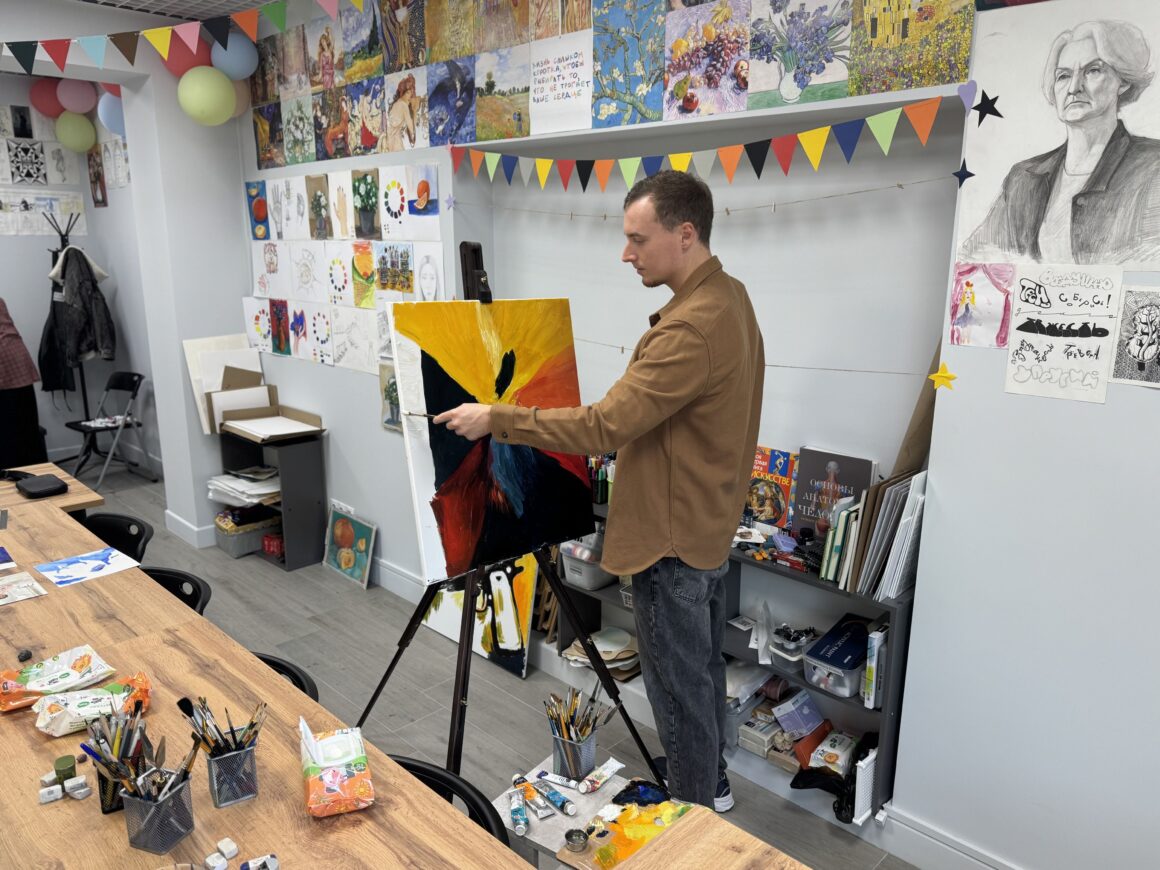
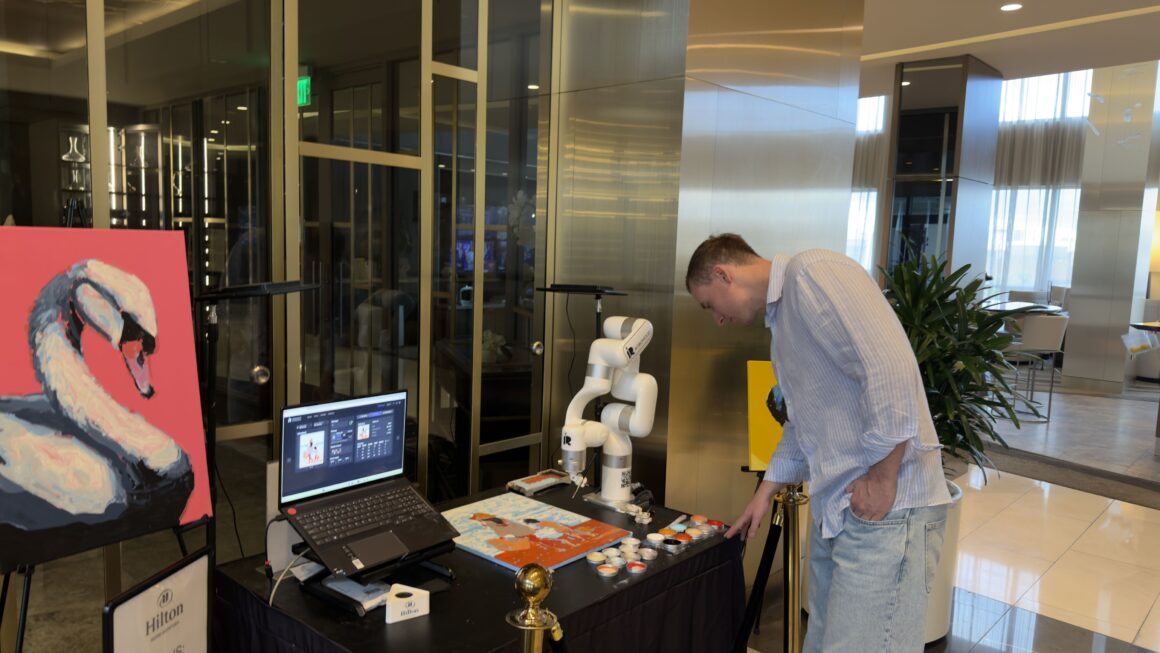
His work integrates body art, live painting, and performance-based creation, transforming artistic production into a public, immersive act. In live settings, Areshchenko creates emotionally driven paintings in real time, allowing audiences to witness the formation of the work as both visual composition and performative gesture. In his approach, spontaneity and physical expression become central components of authorship.
Each movement contributes directly to the final composition, positioning intuition and emotional immediacy as primary artistic tools. The artwork is not only the result but also the unfolding process itself.
“Brush Code” – Art as Experience and Participation
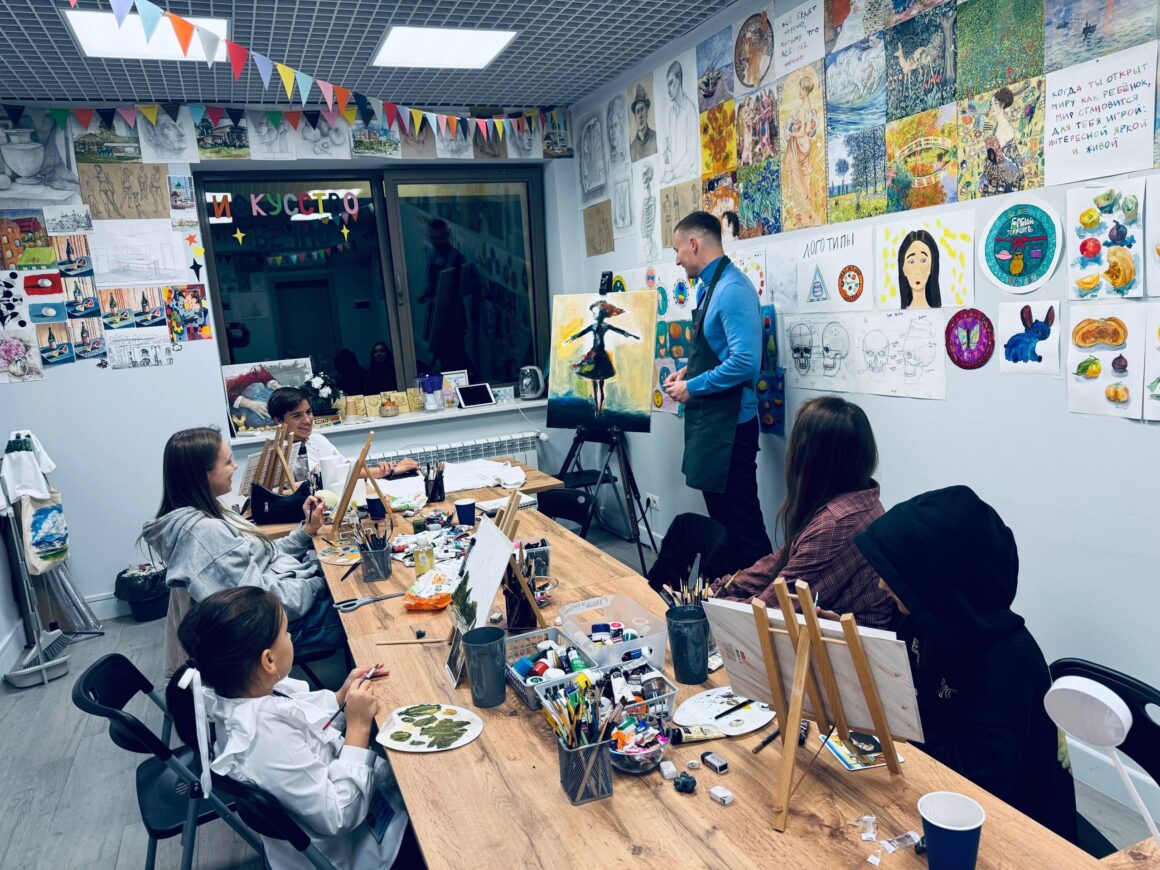
A key extension of Areshchenko’s practice is his master class format, “Brush Code”. This project moves beyond traditional art instruction, functioning instead as a hybrid between performance, conceptual workshop, and participatory experience. Participants are encouraged to engage with color, gesture, and intuition in an unstructured and instinctive manner. Rather than focusing on technical precision, the emphasis is placed on emotional expression and individual perception.
In this framework, elements of art therapy naturally emerge, allowing participants to translate internal states into visual form. “Brush Code” reflects a broader shift in contemporary art toward experiential engagement, where creation becomes a shared psychological and sensory process rather than an isolated act of production.
Digital Art, NFTs, and Expanding Artistic Space
The rise of digital platforms has significantly reshaped the structure of contemporary art. NFT ecosystems and blockchain-based systems have introduced new models of distribution, authentication, and ownership, enabling artists to operate independently of traditional institutional frameworks.
For Stanislav Areshchenko, this digital dimension extends his physical performance practice into virtual environments. His work exists simultaneously in real-time artistic actions and in digital representations that circulate globally. In this expanded model, art is no longer restricted to physical objects or geographic boundaries; instead, it becomes a continuous, multi-platform system of expression.
Fashion as Performative Space
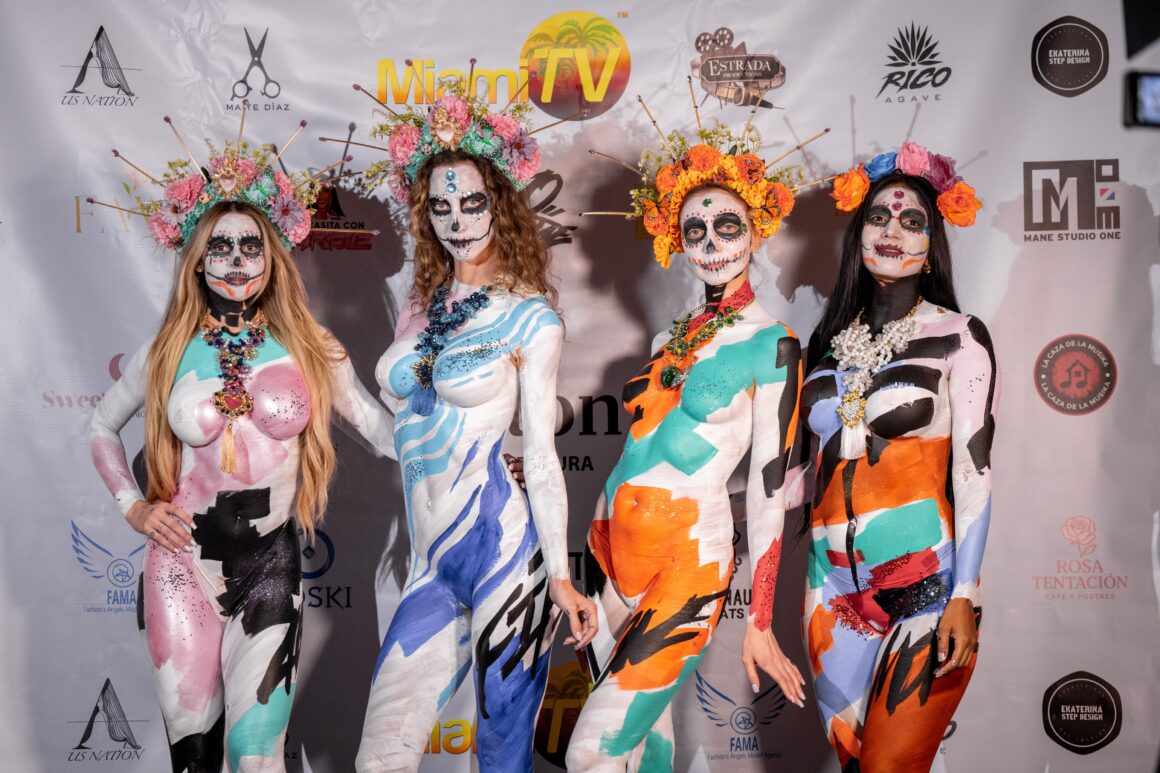
Contemporary art increasingly intersects with fashion, transforming clothing into a medium of artistic communication. In Areshchenko’s practice, visual art is integrated into wearable forms, runway presentations, and body-based installations. Painting and body art merge with textile design and performance, turning fashion presentations into immersive artistic environments.
Clothing becomes a surface for expression, while movement transforms into an extension of the artwork. In this context, the traditional distinctions between artist, model, and artwork begin to dissolve, creating a unified performative field.
Art in a Changing Social Context
In an era defined by technological acceleration and global uncertainty, art continues to play a critical psychological and social role. It provides a space for reflection, emotional processing, and sensory grounding. Engagement with contemporary art allows individuals to reconnect with perception, imagination, and emotional awareness. Within this space, complexity is temporarily replaced by presence, through color, gesture, and form.
Art functions not only as cultural production but also as a mechanism of emotional balance and restoration.
A Borderless Creative Future
The concept of “art beyond frames” reflects a broader transformation in contemporary creative practice. Artistic production is no longer defined by medium, geography, or institutional boundaries. Instead, it exists as an evolving system that connects performance, digital innovation, education, fashion, and experiential design.
Within this context, Stanislav Areshchenko represents a growing category of multidisciplinary artists whose practice reflects this shift. His work demonstrates how contemporary art can function as a continuous process of transformation, linking emotion, technology, and human experience into a single expanding creative field.