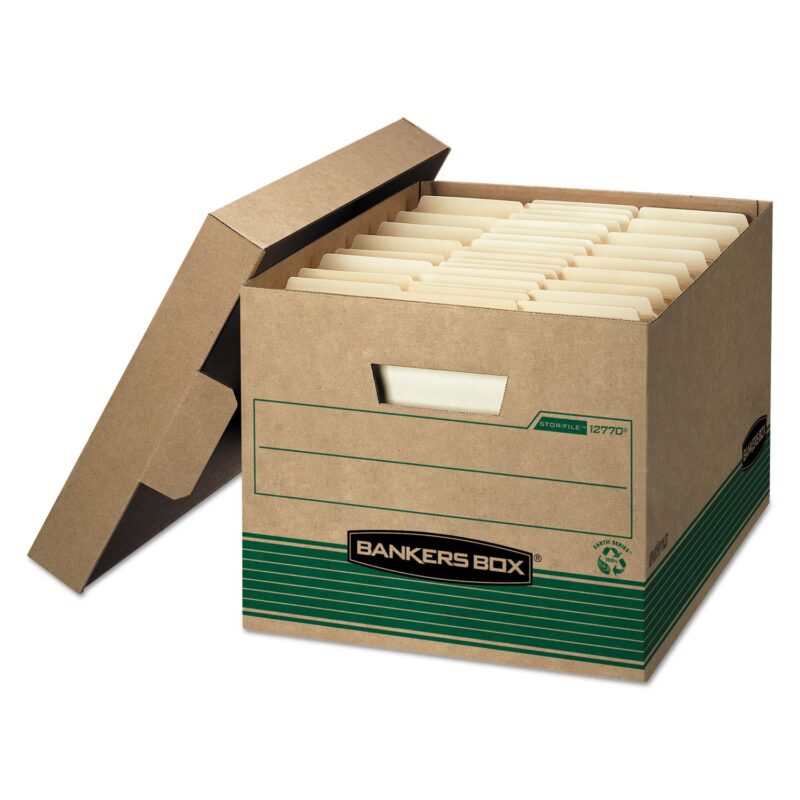
Even in an increasingly digital world, businesses still rely on paper documents for contracts, financial records, employee information, legal paperwork, and compliance requirements. Without a structured storage system, these documents can quickly accumulate and create clutter that affects productivity and makes important information difficult to locate.
File storage boxes provide a simple and practical solution for organising paper records while keeping workspaces tidy and efficient. When used correctly, they can help businesses manage documents more effectively and support long-term recordkeeping needs.
Why File Storage Boxes Are Useful

Businesses looking to find more about file storage boxes often discover that these storage solutions offer a convenient way to organise documents without requiring large filing cabinets or dedicated archive rooms.
File storage boxes allow paperwork to be grouped by category, department, project, client, or date, making retrieval easier when documents are needed. This structured approach can reduce time spent searching for records and improve overall office organisation.
Many storage boxes are also designed to protect documents from dust, damage, and excessive handling, helping preserve important records over time.
Creating An Effective Filing System

A storage box is most effective when combined with a clear filing strategy. Businesses should establish consistent naming conventions and document categories so that employees can easily locate and return files.
Using labels, dividers, and colour-coded systems can further improve organisation. Archived records should be clearly identified, while frequently accessed documents should be stored in locations that allow convenient access.
Regular reviews can help remove unnecessary paperwork and prevent storage areas from becoming overcrowded with outdated files.
Supporting Compliance And Record Retention

Many organisations are required to retain certain documents for legal, financial, or regulatory purposes. File storage boxes can help support these obligations by providing a secure and organised method of storing records for extended periods.
Businesses should establish retention schedules that define how long documents must be kept and when they can be securely disposed of. Proper record management not only supports compliance but also reduces unnecessary storage costs.
Combining physical storage with digital backups can provide additional protection for critical business information and improve long-term accessibility.
Conclusion
File storage boxes offer a practical and affordable way to organise paper records while reducing office clutter. By implementing a structured filing system, maintaining clear retention policies, and protecting important documents through proper storage, businesses can improve efficiency and support better records management. A well-organised document storage strategy helps ensure that important information remains secure, accessible, and easy to manage whenever it is needed.