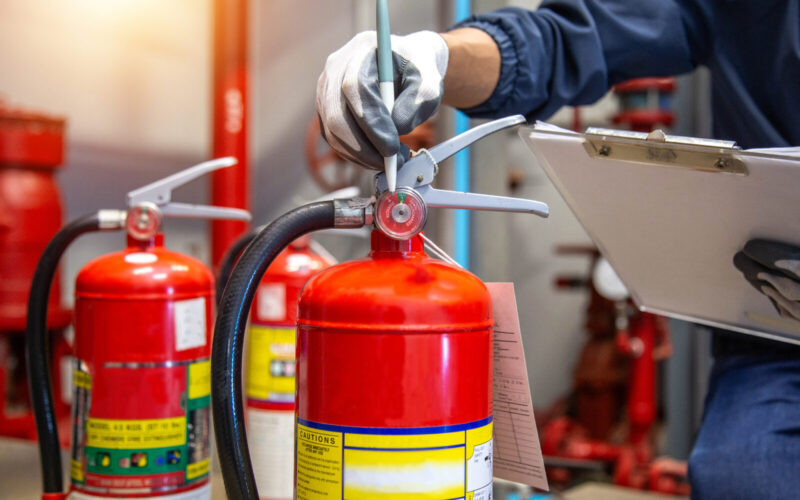
Fire engineering support plays a vital role in identifying potential fire risks and implementing effective mitigation strategies across a wide range of buildings and environments. From commercial facilities to complex infrastructure, understanding how fire behaves and spreads is essential for protecting both occupants and property. By combining technical expertise with advanced analysis methods, fire engineers help create safer spaces and ensure compliance with modern safety standards.
The Importance of Fire Risk Identification

Identifying fire risks is the first and most critical step in any fire safety strategy. This process involves analyzing potential ignition sources, combustible materials, building layouts, and human behavior within a space. Fire engineers assess how these elements interact and determine where vulnerabilities may exist.
In complex environments, risks are not always obvious. Factors such as airflow, structural design, and occupancy levels can influence how a fire develops and spreads. A detailed assessment helps uncover these hidden issues and provides a foundation for implementing targeted safety measures that reduce the likelihood of fire incidents.
Advanced Modelling for Fire and Evacuation Planning

Modern fire engineering relies heavily on advanced simulation tools such as CFD modelling fire for emergency evacuation, which allows experts to predict how smoke and heat will move through a building during a fire event. This type of analysis provides valuable insights into evacuation routes, safe exit times, and areas where visibility or temperature could become dangerous.
By using computational modelling, engineers can test different scenarios without real world risk. This helps optimize building design, improve evacuation strategies, and ensure that safety systems perform effectively under various conditions. It is particularly useful for large or complex structures where traditional methods may not provide enough detail.
Fire Mitigation Strategies and Practical Solutions
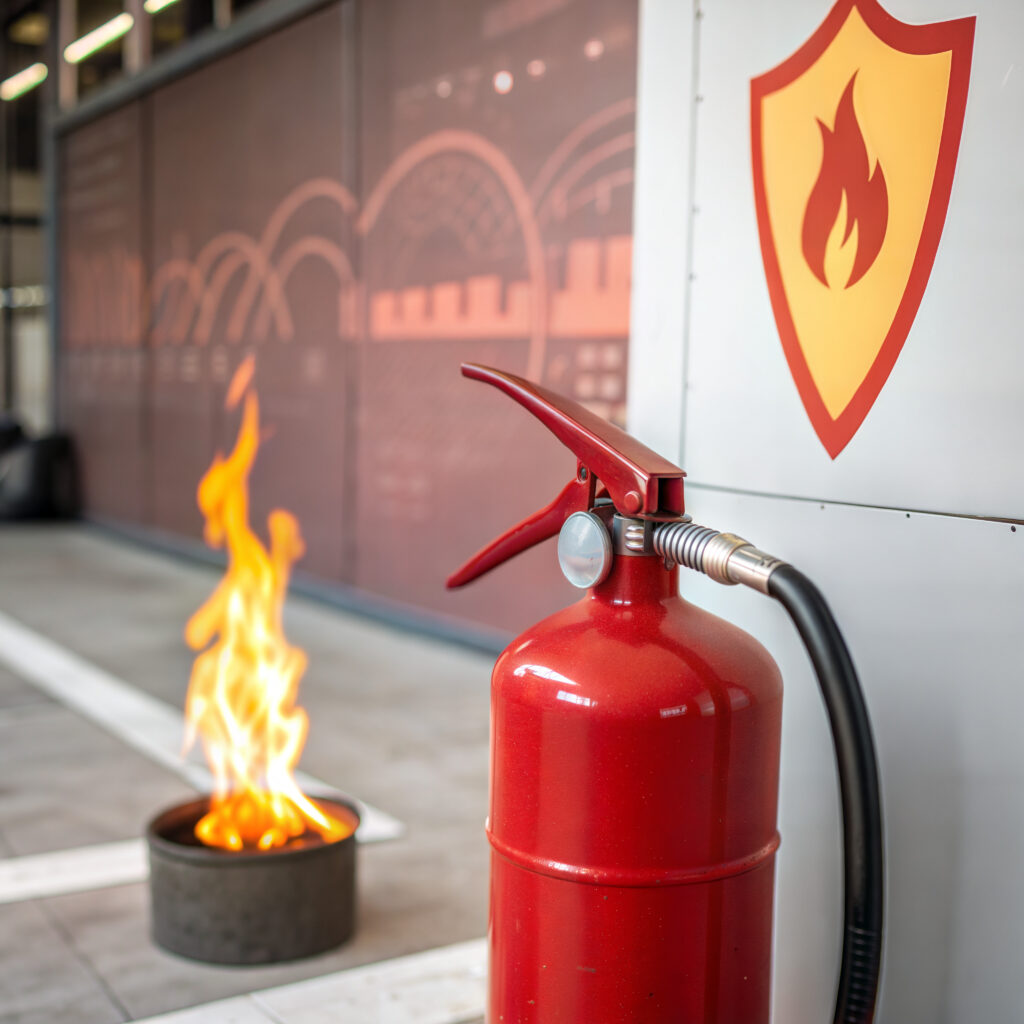
Once risks are identified, fire engineering support focuses on developing practical solutions to mitigate those risks. This may include improving fire detection systems, enhancing compartmentation, optimizing ventilation, and ensuring that escape routes are clearly defined and accessible.
Mitigation strategies are tailored to each specific building and its use. For example, a commercial office may require different safety measures compared to an industrial facility or public venue. By applying a customized approach, fire engineers ensure that all relevant factors are considered and that safety measures are both effective and efficient.
Conclusion
Fire engineering support is essential for identifying risks and implementing strategies that protect people and property. Through detailed analysis and advanced tools such as modelling and simulation, engineers can better understand fire behavior and improve evacuation planning. With the right approach, businesses and property owners can create safer environments and respond more effectively to fire related challenges.