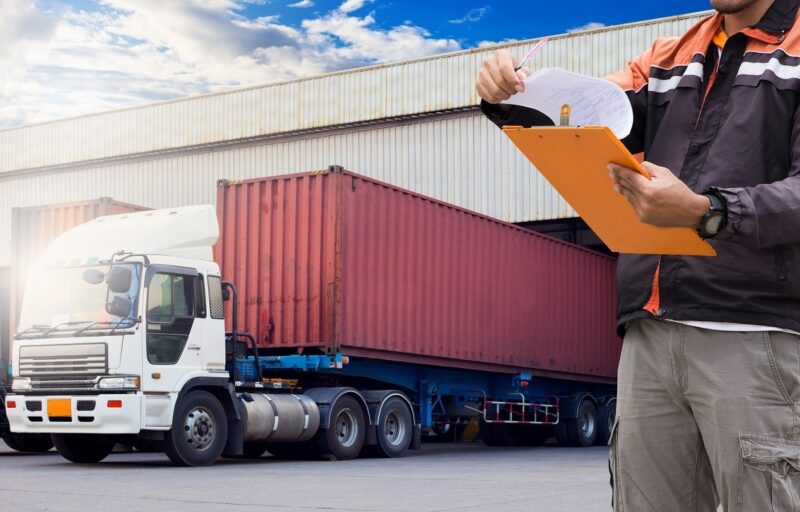
Moving a load that exceeds legal size limits is a specialist job. Oversize transport demands strict compliance, detailed planning, and the right combination of vehicles, equipment, and trained personnel. Whether you are relocating construction machinery, agricultural equipment, prefab structures, or industrial components, professional transport services reduce risk, prevent delays, and keep your project timeline on track.
Permits, Conditions, and Route Planning for Oversize Loads
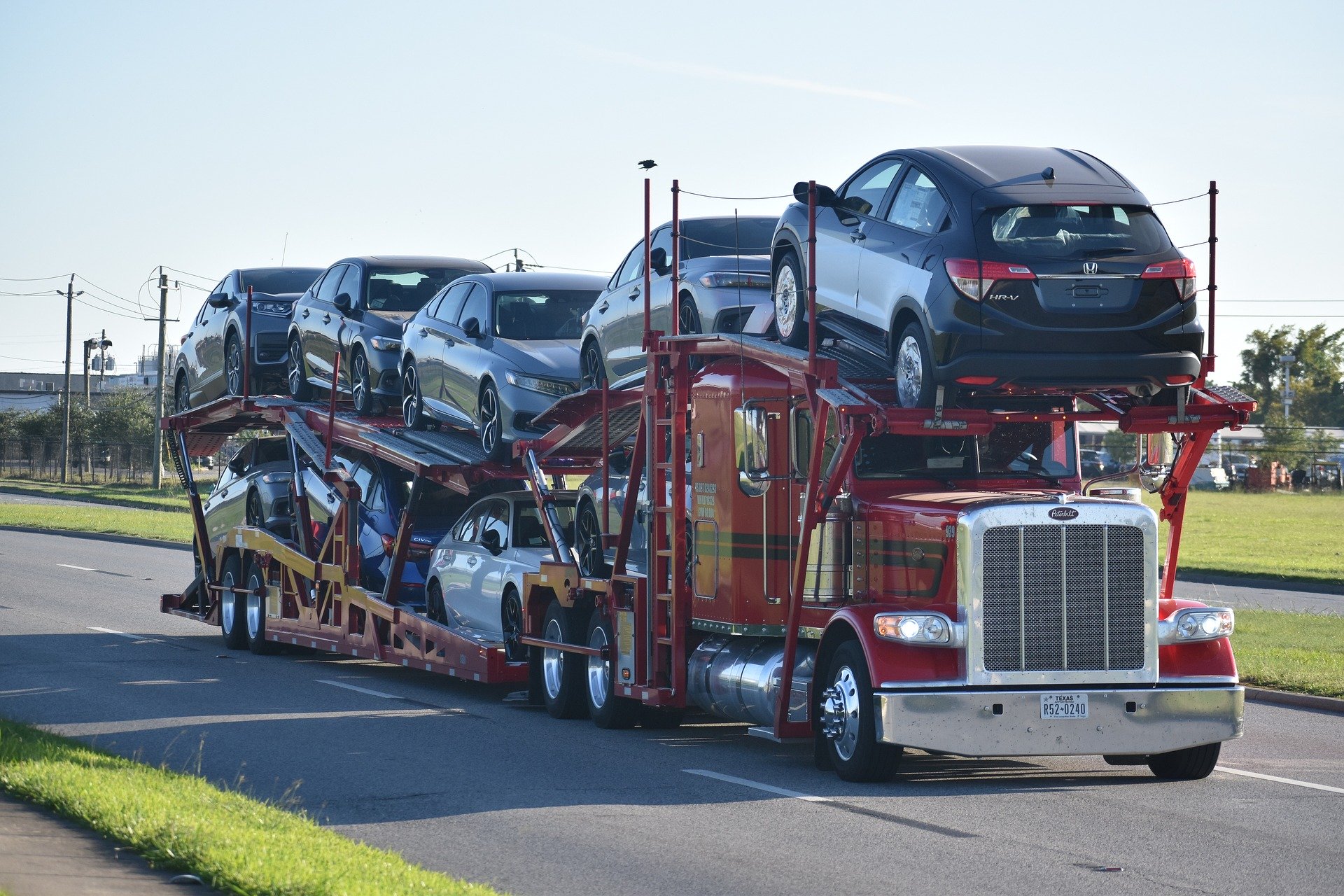
Once a load exceeds standard width, height, length, or weight limits, permits are usually required and they often come with specific conditions. These can include approved travel routes, daylight only movement, off peak travel windows, speed limits, and restrictions around public holidays or major events. Some routes may be prohibited entirely due to bridge load ratings, tight corners, overhead lines, or roadworks.
Good providers do not guess. They measure the load precisely, confirm legal thresholds, and build a route plan that accounts for turning paths, gradients, safe pull over points, and potential conflict areas like roundabouts and narrow shoulders. They also prepare documentation and ensure the vehicle configuration matches permit requirements, including axle spacing and total mass distribution. When the paperwork and route are aligned, you can efficiently run wide load transport without surprise stoppages or compliance issues.
The Right Fleet and Handling Methods for Wide Loads
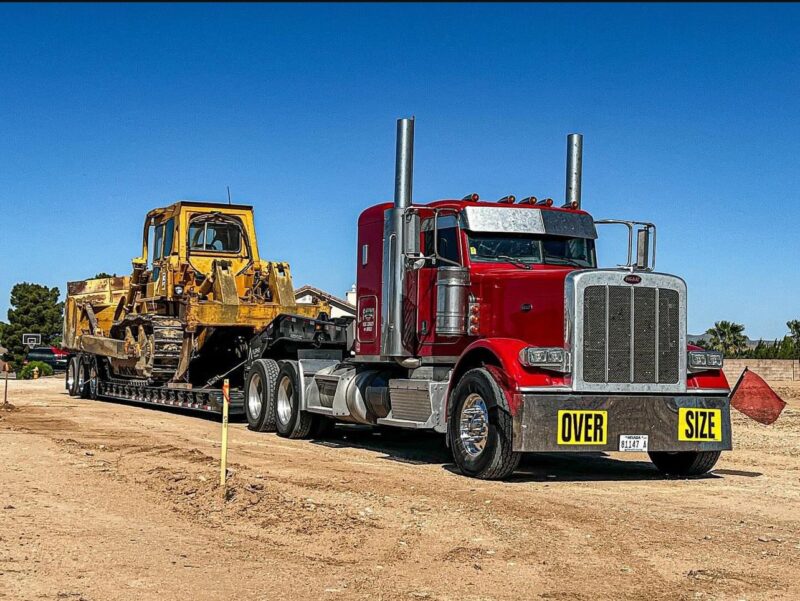
Oversize transport is not one size fits all. The safest approach depends on the load’s dimensions, weight, and center of gravity. Low loaders are common for tall machinery because they reduce overall height, while extendable trailers handle long loads like beams, pipe, or structural sections. Drop deck and multi axle modular trailers are used for heavy components that need more stability and better weight spreading.
Loading and securing are equally important. Wide loads can catch wind, shift under braking, or become unstable on uneven roads. Professional operators use rated chains, binders, spreader bars, and engineered tie down points to keep the load locked in place. They also secure any attachments separately, such as buckets, blades, or loose parts, because these can become hazards even if the main machine is restrained. A good transport service will also check that signage, flags, and lighting meet requirements for visibility and road user awareness.
Escorts, Timing, and On Road Safety Controls

Many oversize moves require pilot vehicles, especially for wide loads. Escort vehicles help manage traffic, warn oncoming vehicles, and guide the truck through narrow sections or complex intersections. In higher risk cases, traffic control crews or police escorts may be required depending on local regulations and the load’s dimensions. Communication between driver and escort teams is critical, often using radios and pre agreed procedures for lane changes, stops, and hazard responses.
Timing also protects safety and efficiency. Oversize loads may travel outside peak traffic hours to reduce congestion and accident risk. Weather planning matters too. High winds, heavy rain, and poor visibility can create unacceptable risk for wide loads. Reliable providers monitor conditions and adjust schedules to maintain compliance and safety, rather than pushing through unsafe windows.
Conclusion
Transporting loads that exceed legal size limits requires permits, route planning, specialist trailers, disciplined load restraint, and the right escort and safety controls. When all these parts are handled professionally, oversize moves become predictable and cost effective instead of stressful and risky. If you want to reduce delays and improve safety outcomes, work with experienced operators and plan early so you can efficiently run wide load transport from pickup to delivery.